By Patricia Cedeño.
If you're planning on relocating to Galicia, timing your move is one of the few decisions that influences almost everything that happens next: the housing you find, how smoothly the paperwork goes, how quickly you settle in, and ultimately how your first impression of Galicia unfolds.
The best time to relocate to Galicia is not determined by when the weather is nicest, when flights are cheapest, or when you happen to have a gap in your schedule. It's determined by what's happening in the rental market, what administrative appointments are available, when schools start, and how much runway you're giving yourself to land somewhere decent before you commit to a lease.
That sounds obvious. But year after year, people arrive in Spain in August: school holidays, warm weather, beaches, the feeling that everything is perfect and then discover that August can be one of the most difficult times to begin searching for a long-term home, particularly in coastal areas where seasonal demand reduces the properties available to year-round tenants.
This is one of those things people discover too late. And it doesn't have to be.
Why Summer Feels Like the Obvious Choice
There's a version of this move that lives in everyone's head at the planning stage.
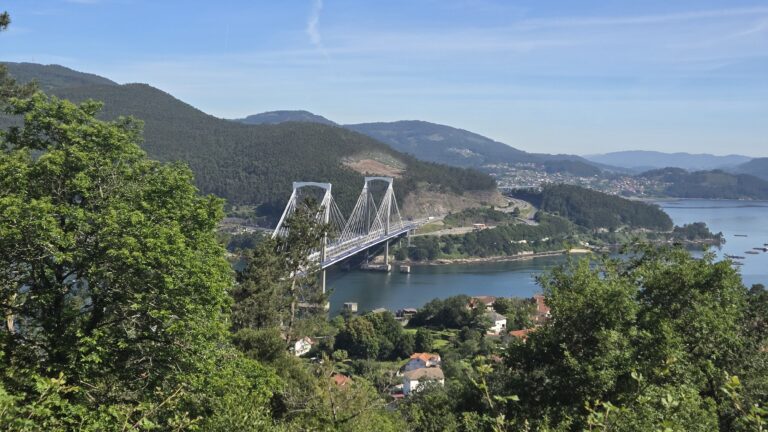
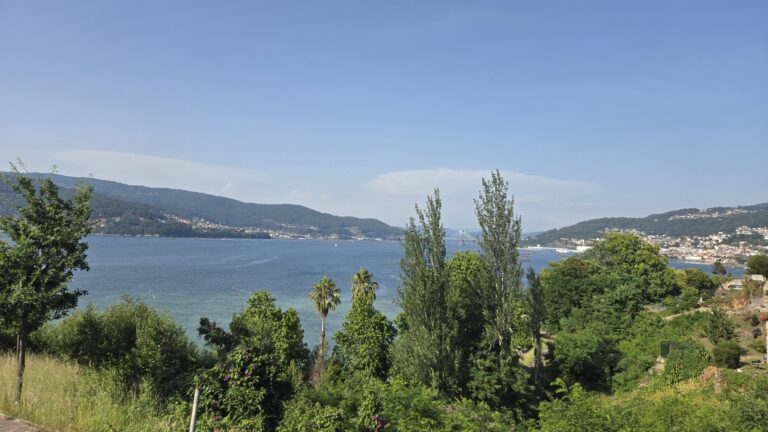
You picture yourself arriving when the days are long, the light is golden over the Ría de Vigo, the terraces are full, and everything about the city tells you that you made the right decision. You've finished your last commitment at home, you've packed what matters, and you're ready for a new chapter. Summer feels like the beginning of something.
And emotionally, that's completely understandable. Summer in Galicia is genuinely beautiful, mild where the south is scorching, green where the rest of Spain is bone-dry, and alive in a way that makes the region's appeal immediately visible. It makes sense that people want to arrive when the place is at its most welcoming.
The problem is that relocating to Galicia and visiting Galicia in summer are two very different experiences. And the housing market is where that difference becomes most costly.
What Actually Happens to the Spanish Rental Market in Summer
Here's the reality that most relocation guides skim past.
In the first quarter of 2026, short-term tourist rentals made up 27% of the real estate market in Spain, representing a 22% year-on-year increase. Meanwhile, permanent rentals decreased by 3% in the same period, according to Idealista. In tourism-heavy markets, that divergence can sharpen further as summer approaches and more properties are directed toward short-term demand. Galicia is not immune: growing tourist accommodation, rising demand, and limited long-term supply are increasing pressure across the region, especially in coastal towns and larger cities like Vigo and A Coruña.
The supply of long-term rental housing in Spain fell by 26,000 properties in 2025, despite the mass removal of tourist rental licenses. So even in a regulatory environment that's trying to push landlords back toward long-term tenants, the supply of available homes for people trying to actually live somewhere keeps contracting.
As of early 2026, advertised rents in Spain have risen approximately 10% year over year, one of the strongest recent increases. In summer, in cities with strong tourist pressure, this baseline is pushed higher still.
What this means in practical terms for someone relocating to Galicia in July or August: you're searching for a long-term rental in a market where more homes than usual have been temporarily converted to holiday lets, where the landlords who do have long-term properties available know demand is high, and where you're competing with other new arrivals who also decided summer was the obvious time to move.
It's not impossible. I've helped clients move in July or August. The clients I've helped relocate successfully during these months had one thing in common: the work started months before the flight did.
The people who arrive in August and start looking in August are the ones who end up in the wrong apartment, at the wrong price, because the right one went to someone who had already put down a holding deposit from abroad. If you want to understand how that search actually works, the Finding Housing in Spain guide goes into the mechanics in detail.
It's Not Just About the Rental Market
Timing your relocation to Galicia involves more variables than most people factor in at the planning stage, and they all interact with each other.
Visa processing timelines. If you're applying for Spain's Digital Nomad Visa or Non-Lucrative Visa, processing times vary and are rarely predictable. The timing of your visa application determines when you can realistically plan the rest of your move. Delays or uncertainty around approval can affect housing decisions, travel arrangements, school planning, and the sequence of administrative steps you'll need to complete after arrival.
Administrative appointments. August can make administrative procedures harder to coordinate. Holiday schedules and reduced staffing may affect appointment availability across immigration offices, town halls, and other public administrations. Depending on your situation, arranging procedures such as padrón registration, TIE applications, or other post-arrival formalities may require more flexibility and advance planning than at other times of the year
None of these delays are dramatic on their own. Together, they can easily turn what should have been an exciting first month into one that feels unnecessarily frustrating.
School enrollment. For families relocating to Galicia with children, this one deserves careful thought. The Spanish academic year starts in September. School admissions and enrollment timelines require advance planning, particularly if you have specific schools in mind. Families hoping to compare options, visit schools, and begin the academic year in September should start researching the process well before summer. Mid-year arrivals are manageable but require more proactive work on integration.
The settling-in window. There's a practical phase every relocation involves that doesn't appear in the planning spreadsheet: the time between arriving and feeling functional. Finding your local market, understanding which café is yours, working out the neighborhood rhythms, building the first tentative connections. This takes longer than people expect, and it's significantly harder to do when you're simultaneously managing a housing search in a tight summer market while also processing visa paperwork in a slower administrative environment. Give yourself a buffer. Arriving in autumn gives you months to settle before winter. Arriving in summer means your settling-in window is the hardest version of the market you'll encounter.
Thinking seriously about relocating to Galicia?
The conversation doesn't end with this article.
Join The Galicia Life Community to continue the conversation with people already living here, ask thoughtful questions, exchange local recommendations, and build relationships before and after your move.
When Each Season Actually Makes Sense
Rather than declaring one perfect time, here's the honest breakdown of what each season means for someone planning to relocate to Galicia.
Spring (March to May) — The Understated Best Window
For many relocation profiles, spring offers one of the most practical windows for moving to Galicia.
The rental market in spring carries more genuine long-term inventory than summer. Landlords who want to find long-term tenants rather than holidaymakers are most active in this window. You have time to search properly, visit multiple neighborhoods, and make a considered decision rather than a pressured one.
Administrative offices are fully staffed, and appointment availability is reasonable. Immigration procedures, padrón registration, and the initial steps of establishing your residency are more navigable than they will be in July.
For families, a spring arrival allows enough time to enroll children in school for September, visit options, understand the concertado versus international versus public school landscape, and make the right choice without deadline pressure.
The weather is Atlantic spring, which is variable, often beautiful, and occasionally wet, which has the added benefit of giving you a realistic preview of what living here actually feels like across seasons rather than just seeing the summer version. People who arrive in spring and like it tend to stay. People who arrive in summer and then encounter their first February can feel blindsided.
Summer (June to August) — Not Impossible, But Demanding
Summer is manageable if — and this qualifier is important — you have done everything you can remotely before arriving.
If you've already identified your neighborhood, shortlisted specific apartments, been in conversation with landlords or local agents, have your documentation organized, and know what you're looking for, arriving in summer and confirming a decision you largely made in spring is a very different experience from arriving and starting from scratch.
What doesn't work is the summer arrival plus summer search plus summer administrative timeline combination. Any one of those alone is fine. All three simultaneously in August are genuinely difficult.
For people with school-age children, summer arrival without spring enrollment is a problem that compounds quickly.
One thing worth knowing is that Galicia is not insulated from Spain's growing rental pressure. In Vigo, the expansion of tourist and short-term accommodation, combined with growing demand for long-term housing and limited available supply, has made finding a rental increasingly competitive. Summer adds another layer of pressure as seasonal demand increases and some properties become more profitable as short-term accommodation. The result is a market where good long-term rentals can attract significant interest and disappear quickly, leaving people who begin their search after arrival with fewer options and less room to negotiate.
This doesn't mean relocating to Vigo in summer is impossible. It means the margin for improvisation is getting smaller. Arriving with your documentation prepared, a clear housing strategy, realistic expectations, and the ability to act quickly when the right property appears can make a significant difference.
Autumn (September to November) — The Underrated Window
September and October are, in many ways, the smartest time to arrive.
The summer surge in holiday lets has reversed. Landlords who converted properties for the season are listing long-term again. The rental market in autumn has more genuine supply than it did two months earlier, and landlords are more motivated to find stable tenants before winter.
Administrative offices return to full capacity in September. Appointment availability improves. The bureaucratic sequence (NIE, bank account, padrón, residency steps) moves more smoothly.
The weather in Galicia in autumn is genuinely lovely. Atlantic September and October can be mild, clear, and atmospheric in a way that summer in its most humid form isn't. The tourists have left. The city belongs to the people who live in it. If you're trying to imagine your everyday life rather than your holiday, this is the version of Galicia you want to experience.
The practical limitation for families is that a September or October arrival means children miss the start of the school year. Depending on the school and the age, mid-year integration is manageable but requires more proactive work. Worth knowing before you commit to that window.
Winter (December to February) — The Honest Assessment
Winter arrivals are less common, and there are real reasons for that.
The rental market in winter is quiet, which sounds appealing, and it does mean less competition for available properties. For some people, winter becomes the season that confirms they made the right decision. If you enjoy quieter months, long walks by the sea, cozy cafés, and experiencing Galicia without the summer crowds, it offers a remarkably authentic introduction to everyday life.
For people who already have a strong social connection here, existing local relationships, or a very clear sense of what they want and where they want to live, a winter arrival can work well. You'll get realistic information about the climate without illusions, and you'll spend your spring and summer already settled rather than still searching.
For people arriving without any existing network, the combination of a quieter social season, first-months bureaucracy, and Atlantic weather is a more demanding starting point. Not impossible but worth knowing before you commit to it.
Galicia Is Not Immune to Spain's Housing Pressure
For years, Galicia was largely absent from conversations about Spain's housing crisis. Rental pressure was associated with Madrid, Barcelona, the Mediterranean coast, and the islands, while cities in the northwest remained comparatively accessible.
That distinction is becoming harder to make.
Galicia's rental market is under growing pressure from several directions at once: increasing demand for long-term housing, limited available supply, rising rents, and the expansion of tourist and short-term accommodation. The effects are not identical across the region, but the assumption that finding a home here is easy simply because Galicia is less internationally known is increasingly outdated.
A Coruña offers one of the clearest examples. Long-term rental supply fell by 33% in early 2026 compared with the same period the previous year. Vigo is experiencing its own pressures as demand increases while the supply of suitable long-term rentals remains limited. Properties that are well located, reasonably priced, and in good condition can attract significant interest and disappear quickly.
Tourism adds another layer to the problem. The growth of holiday accommodation in Vigo and the strong seasonal demand in coastal towns means that summer can reduce the options available to people searching for a permanent home. In places such as Baiona, Cangas, and Moaña, the distinction between the year-round housing market and the summer rental market becomes particularly important when planning a move.
The practical reality is that there is no single “Galicia rental market.” Someone searching for an apartment in central Vigo faces different conditions from a family looking for a house outside the city or a retiree hoping to settle in a coastal town. Location, budget, property type, season, and flexibility all influence how difficult the search becomes.
What has changed is the margin for improvisation.
Galicia may still offer a different housing landscape from Spain's largest and most tourism-intensive cities, but lower international visibility should not be mistaken for abundant supply. Waiting until arrival to understand the market, choosing a location without researching seasonal housing patterns, or assuming you'll have time to compare multiple properties can make an already competitive search significantly harder.
For someone planning to relocate to Galicia, timing is no longer simply about avoiding the busiest months. It's about understanding the specific market you're entering, preparing before demand peaks, and being ready to act when the right opportunity appears.
The earlier you understand where you want to live and what the housing market looks like there, the more choices you are likely to have. And in a tightening market, having choices is becoming one of the most valuable advantages a newcomer can create.

The Perspective Shift
Here's what I've come to believe after years of helping people navigate this process.
The best time to relocate to Galicia isn't the season with the best weather. It's the window that gives you the strongest chance of finding the right housing, completing the practical steps of your move, and settling into everyday life without unnecessary pressure.
For many people, that points toward spring or autumn. Summer can work with enough preparation, while winter offers a quieter and more realistic introduction to Galicia for people comfortable with the climate and slower social rhythm.
The larger lesson is that timing should be planned around your circumstances, not the calendar alone.
What I tell people at the start of the process is this: begin planning in months, not weeks. For many relocations, starting around six months before the intended move creates enough runway to understand the immigration timeline, narrow down locations, prepare for the housing search, and make decisions without unnecessary pressure. More complex moves, particularly those involving children, property purchases, or specific housing requirements, may need even longer.”
“The move you actually want, the one where you land somewhere that feels right, in a neighborhood that fits your life, with enough space to breathe through the bureaucracy, is the move that gets planned far enough in advance to be chosen rather than rushed.
Relocating to Galicia well is not complicated. But it rewards the people who treat timing as a decision, not an afterthought.
That difference is rarely visible on moving day. It's felt in the months that follow.
Every relocation follows a different timeline. A Discovery Consultation helps you plan yours around your expected immigration timeline, housing search, priorities, and long-term goals.
For the full picture of what life in Galicia actually involves across all seasons, the Complete Guide to Moving to Galicia is the right starting point.
And if you want to hear from people already navigating this who moved in spring, who waited until autumn, who made the August move work with enough planning — The Galicia Life Community is where that conversation is already happening.
What is the best time to relocate to Galicia?
For many relocation profiles, spring and autumn offer practical advantages over a summer move. Spring gives you access to a less competitive rental market, fully staffed administrative offices, and enough time to enroll children before the September school year. Autumn returns the market to full supply after the summer holiday let peak and offers the same administrative advantages. Summer is possible but requires months of remote preparation beforehand.
Is relocating to Galicia in summer a bad idea?
Not automatically, but it requires more preparation than other seasons. The rental market has less long-term supply in summer as some landlords shift to holiday lets, administrative offices run with reduced staff, and you'll be competing with other new arrivals. People who start their search remotely in spring and arrive in summer to confirm a decision they've largely already made tend to do well. People who arrive and start from scratch in August tend to struggle.
Does Galicia have the same rental market problems as the rest of Spain?
The pressures are real but less extreme than in Spain's major tourist cities. Advertised rents in Spain rose approximately 10% year-on-year as of early 2026, and long-term supply is tightening nationally. In Vigo specifically, the market is more stable than in Madrid, Barcelona, Valencia, or Málaga because the city isn't a primary beach tourism destination. The summer conversion of long-term to holiday let properties happens here but on a smaller scale.
How far in advance should I start planning a relocation to Galicia?
Six months minimum for most profiles. That window gives you time to identify the right neighborhood, begin landlord conversations, organize your income documentation, understand which visa pathway applies to your situation, and potentially secure housing before you arrive rather than starting the search on the ground. Families with school-age children should add the school enrollment timeline to that calculation, which typically means being ready to visit schools in spring for September enrollment.
What's the best season to experience Galicia before deciding to move?
Autumn or winter. Both give you an honest picture of what daily life feels like here outside the tourist season like the Atlantic weather, the local pace, the city when it belongs to the people who live in it. A summer visit tells you that Galicia is beautiful. An October visit tells you whether the life here is actually what you're looking for.
The Galicia Life is a community and relocation ecosystem based in Vigo, Spain, working at the intersection of intentional living, cultural integration, and relocation support for internationally minded people building real lives in Galicia.